TROUBLESOME COUGHS AND THE MAGIC OF COLTSFOOT
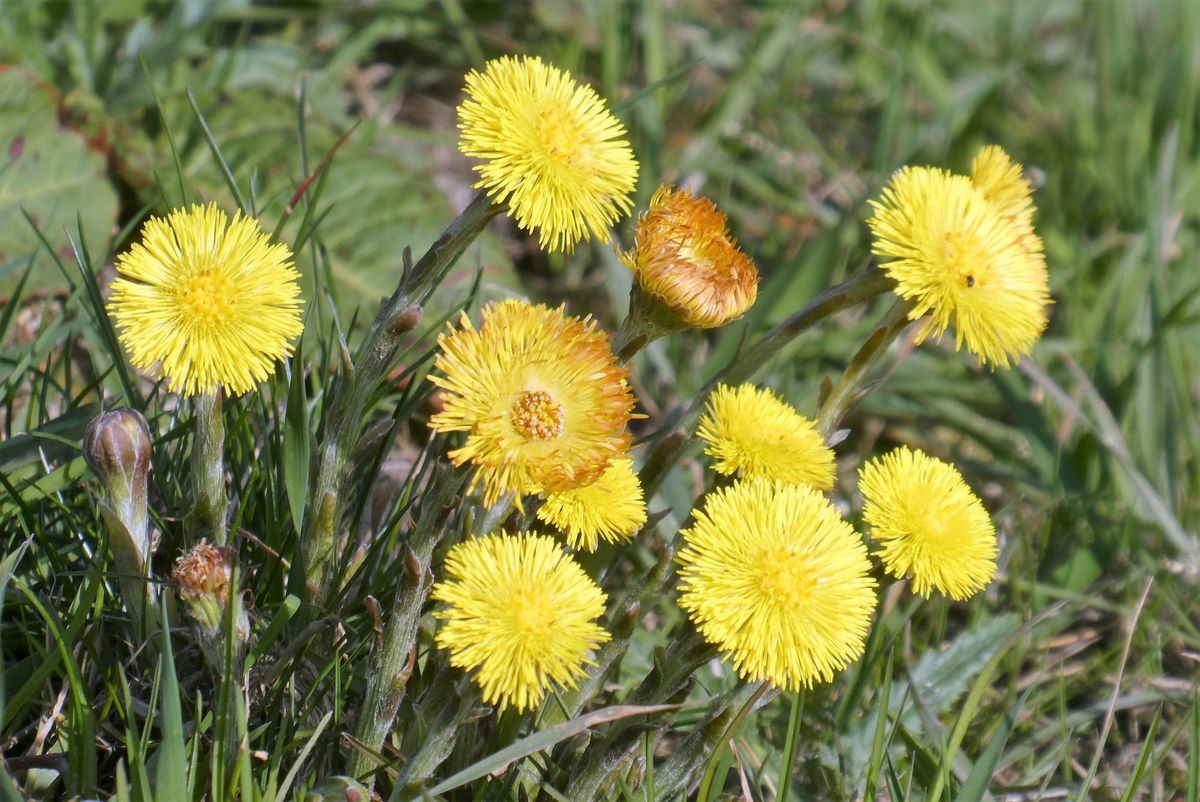
Tussilago farfara is the Latin name for this special herb, Tussilago meaning 'cough dispeller'. It has long been used to treat irritable, dry coughs along with asthma, bronchitis and other complaints. Well known for its herbal activity on the respiratory system, it is widely used today in many apothecaries.
Coltsfoot, so named due to the shape of its leaves, belongs to the Asteraceae family, one of the largest plant families known.
HISTORY OF COUGHWORT
Coltsfoot has been mentioned for over 2,500 years in ancient literature. Coughwort is one of the common names for coltsfoot shown in Figure 1, along with 'Son before Father' due to its yellow/gold blooms flowering before its leaves show. It is indigenous to northern Asia and Europe and can be found on wastelands and along many roadsides (Chevallier, 2016; Fisher, 2018). Dioscorides in the 1st Century CE used the dried leaves to burn and the smoke to be inhaled to cure a dry cough and also used as a herbal tobacco to relieve similar symptoms (Chevallier, 2016: Shaw, 1998; Spencer-Jones, 2009; Tobyn et al, 2016).
ACTIONS AND INDICATIONS
When you just can't rid yourself of an irritable cough especially with the cold months looming, coltsfoot is renowned for it's demulcent action. Demulcents, on contact with the mucous membranes of the respiratory tract, create a viscous-like coating which acts as a protector and soothes the delicate surfaces (Bartram, 1998; Chevallier, 2016; Fisher, 2018; Pengelly, 2021; Shaw, 1998).
This action is derived from the herb's mucilaginous polysaccharide content which acts as an anti-inflammatory and an immunostimulant. Coltsfoot contains flavanoids which also have anti-inflammatory properties along with antispasmodic action to dampen that consistent cough by relaxing smooth muscle. This herb contains vitamins and minerals such as Zinc and Vitamin C along with others (Chevallier, 2016; Fisher, 2018; Heinrich et al, 2024).
Tannins are also present which act as an astringent. Astringents tones tissues which has the effect of reducing excess mucus.
The big debate of coltsfoot containing pyrrolizidine alkaloids (PAs) marches on! Studies have shown that over long periods of use and in high doses, PAs can prove to be hepatotoxic which can cause long term liver damage. In herbal medicine, coltsfoot is prescribed in very low doses over a period of no longer than 3-4 weeks (Chevallier, 2016) or 6 weeks maximum (Tobyn et al, 2016) erring on the side of caution. According to Chevallier 2026, most PAs are destroyed on decoction.
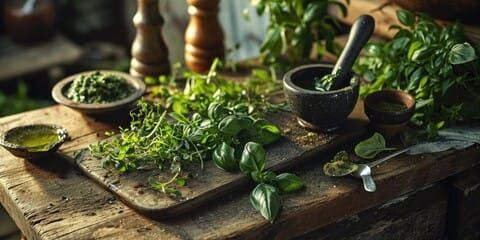
Coltsfoot can be prescribed as teas, tinctures and syrups with syrups tending to be a favourite with a soothing feeling in the respiratory tract when consumed.
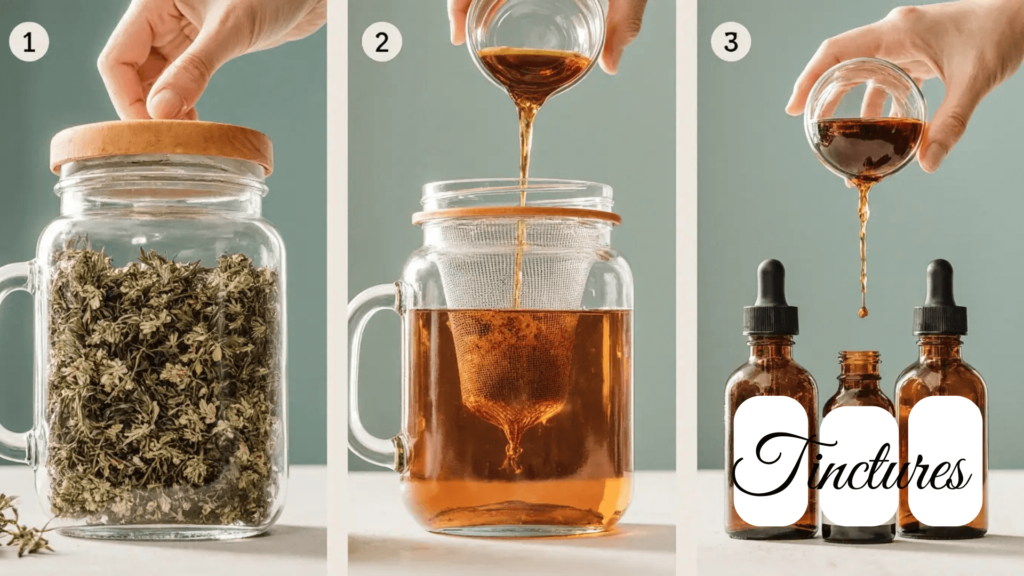
Figure 2 Syrups, Tinctures and Teas (diyherbalbeauty, 2026)
CAUTIONS AND CONTRAINDICATIONS
Coltsfoot is to be taken in low doses over 3 to 4 weeks only.
Not to be prescribed in pregnancy or to lactating mothers.
Not to be prescribed to patients with compromised livers.
Not to be prescribed to the elderly or children.
SUSTAINABILITY AND ETHICS
Coltsfoot is of least concern (Plantlife, 2026).
Along with coltsfoot syrups, there are a plethora of options for herbal treatments from gastric tinctures to relaxation teas, from anxiety decoctions to sweet treats! Come along and see what we can offer to compliment your lifestyle.
REFERENCES
Bartram, T. (1998). Bartram's Encyclopedia of Herbal Medicine. The definitive
guide to the herbal treatment of disease. (Standard). Robinson.
Chevallier, A. (2016). Encyclopedia of Herbal Medicine, 550 Herbs and Remedies
for Common Ailments. (3rd ed.). DK UK.
Fisher, C. (2018). Materia Medica of Western Herbs. (Standard). Aeon Books.
Heinrich, M., Barnes, J., Prieto-Garcia, J.M.,Gibbones, S., Williamson, E.M.
(2024). Fundamentals of Pharmacognosy and Phytotherapy. (4th ed.).
Elsevier.
Pengelly, A. (2021). The Constituents of Medicinal Plants. (4th ed.). CABI.
Shaw, N. (1998). Herbalism. An Illustrated Guide. (Standard). Element Books.
Spencer-Jones, R., Cuttle, S. (2009). Wild Flowers of Britain and Ireland. A
Photographic Identification Guide to over 600 species. (Standard).
Kyle Cathie.
Tobyn, G., Denham, A., Whitelegg, M. (2016). The Western Herbal Tradition.
2000 Years of Medicinal Plant Knowledge. (Standard). Singing Dragon.
www.https://plantlife.org.uk/plants-and-fungus/?species=least-concern
Retrieved 23 Oct, 2026.
FIGURES
1 Else, M. (2022). Tussilago farfara. [Photograph]. Pixabay.
https://pixabay.com/photos/coltsfoot-flowers-weeds-roadside-7090479/
2 DIY Herbal Beauty (2026). https://diyherbalbeauty.com
@Betonica @seedsistas