Three ways to soothe a cough and sore throat with thyme

Folklore dictates if thyme is the first plant you touch as a baby, a lifetime of “single blessedness” will ensue, and that thyme-infused beer cures shyness (hmm, I’m not convinced the beer isn’t doing the heavy lifting here) (Edmiston, 2023).
Traditionally used to fight the plague (Patil, 2021), thyme is described as a “noble strengthener of the lungs”; great at treating phlegm and shortness of breath (Culpeper, 1798). It can also be deployed against modern afflictions. Yes, ‘tis the season: coughing and sneezing abound and unless you hibernate, you are likely to find yourself thus afflicted. Coughs and sore throats are commonly viral in origin, and while unpleasant, tend to be self-limiting, usually lasting a week or two (Kumar & Clarke, 2017).
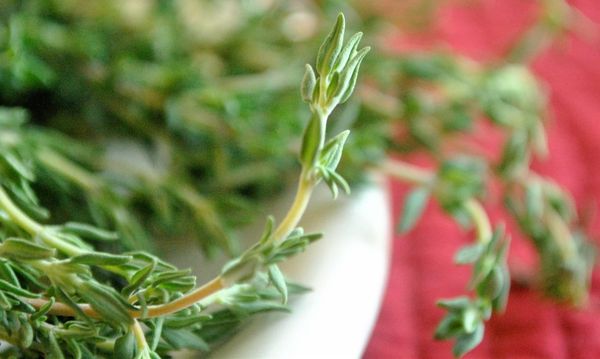
If your sore throat and irritating cough are bothering you, thyme may be able to help. Used whole, ground, or as an active extract or essential oil (Silva et al., 2020), thyme is sold as an ingredient in cough syrups, teas, tablets and capsules, but did you know that you can whip up a homemade remedy if you have thyme in your garden? A Mediterranean native, thyme grows readily in UK gardens; a more sustainable solution than foraging fresh native wild thyme (T. Polytrichus or T. Serpyllum).
A member of the fragrant Lamiaceae (or Mint) family, thyme (also known as common or garden thyme) is packed with active constituents such as thymol, carvacrol and flavonoids, which make it effective at relaxing smooth muscle in the airways, thus potentially reducing coughing and easing shortness of breath (Boskabady, 2006). Carvacrol and thymol endow thyme with antimicrobial and antioxidant properties to fight off infection (Salehi et al. 2018).
Thyme’s primary actions are as an antimicrobial, antiseptic (specifically to the respiratory tract) and as a relaxing expectorant. However, as well as its primary actions, thyme is also an antispasmodic (helps to relax the muscles of the respiratory tract), an antitussive (helps ease coughing) and a systemic antiviral (Thomsen, 2022).
It is indicated for use in cases of bronchitis, cough, infection of the throat and respiratory tract, sore throat and tonsillitis (Thomsen, 2022).
My top three ways of using thyme to soothe a cough and sore throat are:
1. Pour freshly boiled water over a handful of fresh thyme or a teaspoon of dried, pop a lid on to stop the essential oils from escaping and let it steep for around 10-15 minutes. Strain into a mug, add a squeeze of lemon juice and a dollop of honey.

1. Make extra, chill, and gargle half a cup regularly (keeps for a few days in the fridge).
2. Fill a muslin pouch with thyme and put it under your running bath water, then lie back, relax and breathe in the fragrant goodness. If you don’t have time for a bath, pour hot water over thyme in a bowl and inhale the steam.

For herbal inspiration and education, check out @betonicaschoolofherbalmedicine and @herbal.reality.
Safety notes – take care when handling hot water. Do not give honey to children under 1 year. Should be avoided by people with Lamiaceae intolerance. Culinary amounts are safe in pregnancy, but if you are pregnant or planning to treat a child, or your symptoms persist or worsen, consult your GP.
Social media post:
Cough keeping you awake? Sore throat making you feel fed up? Head over to our blog where we show you how to make your own comforting herbal remedies with ingredients from your garden or spice rack. You will be feeling better in no time!