Thyme for Coughs
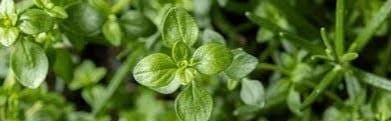
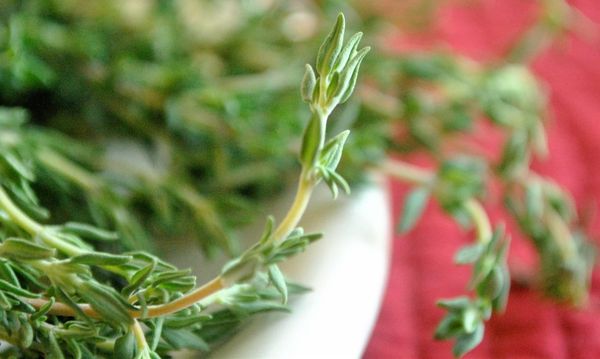
As the season for colds, coughs and flu approaches, its a great thyme to introduce this month's herb; Thymus vulgaris L.; commonly known as garden thyme.
This aromatic culinary herb has been used traditionally for digestive complaints, respiratory symptoms as well as wound healing and diarrhoea (Hoffman, 1990). It's familiar aroma hints at its antimicrobial actions (Chevallier, 1996). The anti-tussive, expectorant and antispasmodic herb is valued still for being a respiratory remedy in herbal medicine today (Chevallier, 1996).
‘It is a noble strengthener of the lungs, as notable as one grows; neither is there scarce a better remedy growing for that disease in children which they commonly called chin-cough’ (whooping cough) and ‘it purges the body of phlegm…’, (Culpepper, 1826)
Why thyme?
Thyme demonstrates the relaxing of the smooth muscles of the trachea and bronchi, which can support calming down dry and tickly coughs (Hoffman, 1990) and relief of heavy mucus involved in chesty coughs through its expectorant actions (Cole, 2022).
And the science inside: if you want to delve a little deeper, thyme contains powerful compounds like thymol and cineole (Ganora, 2009). These volatile oils have demonstrated activity against a number of bacteria and organisms that trigger upper respiratory tract infections (Ganora, 2009). Its also packed with flavonoids (apigenin and luteolin) that offer natural antibacterial and antispasmodic properties (Ganora, 2009).
Why do we cough?
Colds and flu are common causes of coughs, although other conditions such as allergies, asthma and acid reflux can also cause them (Underwood, 2009). With an internal surface area of approximatley 500m²; your lungs are incredible organs (Underwood, 2009). However, exposure to the external environment and inhaled microbes can cause a runny or stuffy nose, sneezing, scratchy or sore throat or a mild cough; all signals that you could have a cold (Underwood, 2009).
Most coughs associated with viral infections improve with time, although recovery can take several weeks (Underwood, 2009). If symptoms worsen, seek medical advice or contact an herbalist (Betonica, 2026).
Is thyme safe for everyone?
Thyme is generally safe in normal culinary amounts, but concentrated forms, especially essential oil can cause allergic reactions, stomach upset and serious toxicity if ingested (Chevallier, 1996).
It is safer to take preparations such as infusions, lozenges and syrups, however it is not advised for children under 1 years old due to certain preparations containing honey (Chevallier, 1996). Essential oils can cause irritation and burning so should always be diluted (Chevallier, 1996) It is also advised not to apply the essential oil topically when pregnant due to its antispasmodic actions (Chevallier, 1996).
Tea thyme?
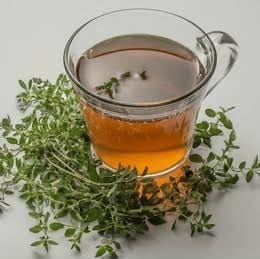
A great way to treat that tickly or chesty cough would be to create an infusion which can be drunk or placed within a foot bath (Cole, 2022). The sustainability of this herb is low risk and it can be grown easily in your garden or on a window box (Herbal reality, 2026).
Please check out Herbal reality and Earth Song Seeds as two great resources for more guidance on the herb and recipes for lozenges or tea infusions (Herbal reality, 2026) and herbal inhalation (Hawkins, 2026). If you are wanting to see a herbalist, please see Betonica's website here and book to see a herbalist today.
Useful links?
- Instagram: @betonicaschoolofherbalmedicine
- Facebook: @betonica
Betonica https://www.betonica.co.uk/herbal-clinic
References
Chevallier, A. (1996) The encyclopedia of medicinal herbs, Dorling Kindersley Ltd
Cole,B (2022) The garden apothecary, Hardie Grant Books
Culpepper, N (1826) The complete herbal and English physician, J. Gleave and Son
Ganora, L. (2009) Herbal constituents, Herbalcham Press
Hawkins, S (2026) How to make a herbal steam inhalation www.earthsongseeds.co.uk/recipes/how-to-make-a-herbal-steam-inhalation/
Hoffman, D. (1990) The new holistic herbal, Element Books
Underwood, J. C. E., & Cross, S. S. (Eds.). (2009). General and systematic pathology (5th ed.). Churchill Livingstone/Elsevier.