Marshmallows And Your Mucous Membranes

Ever wondered where marshmallows got their name? From the Marshmallow plant, Althaea officinalis, of course…
“This weed is perhaps amongst the most valuable of plants that ever grew… its operation in all cases is so quick that it is hardly to be believed” (A. Lawson, 1882, pp. 282-283).
Digestive discomfort comes to us all on occasion. With the equivalent length of a two-storey building running from your mouth to your anus (25 feet long approx.), the GI tract is, fundamentally, a long tube whose inner surface is lined with mucous membranes protecting us from the world outside (Hull, 2024). Quite the responsibility, here we will learn how the marshmallow plant helps protect those mucous membranes and soothe an irritated digestive system.
“Used for more than 2000 years in Europe both internally and externally" (Leung & Foster, 1996, pg. 30).
Its primary constituent is mucilage. A long-chain polysaccharide, mucilage is hydrophilic and absorbs water to form a viscous, indigestible gel that coats the surface of mucous membranes (Pengelly, 2021). In herbal medicine, this is known as a demulcent action, meaning a substance that soothes and relieves irritation on inflamed surfaces (McIntyre, 2019). The indigestibility of mucilage means it physically coats the membrane as a barrier. Just like a plaster, this barrier protects the irritated mucous membrane beneath, leaving it to heal without further irritation (Hoffman, 2003).
Important: Irritation of the GI tract can present with many symptoms, Marshmallow root works well with Gastro-oesophegel reflux, peptic ulcers and gastritis. It is not a substitute for medical treatment. Do not consume alongside prescribed medications (Bone, 2007).
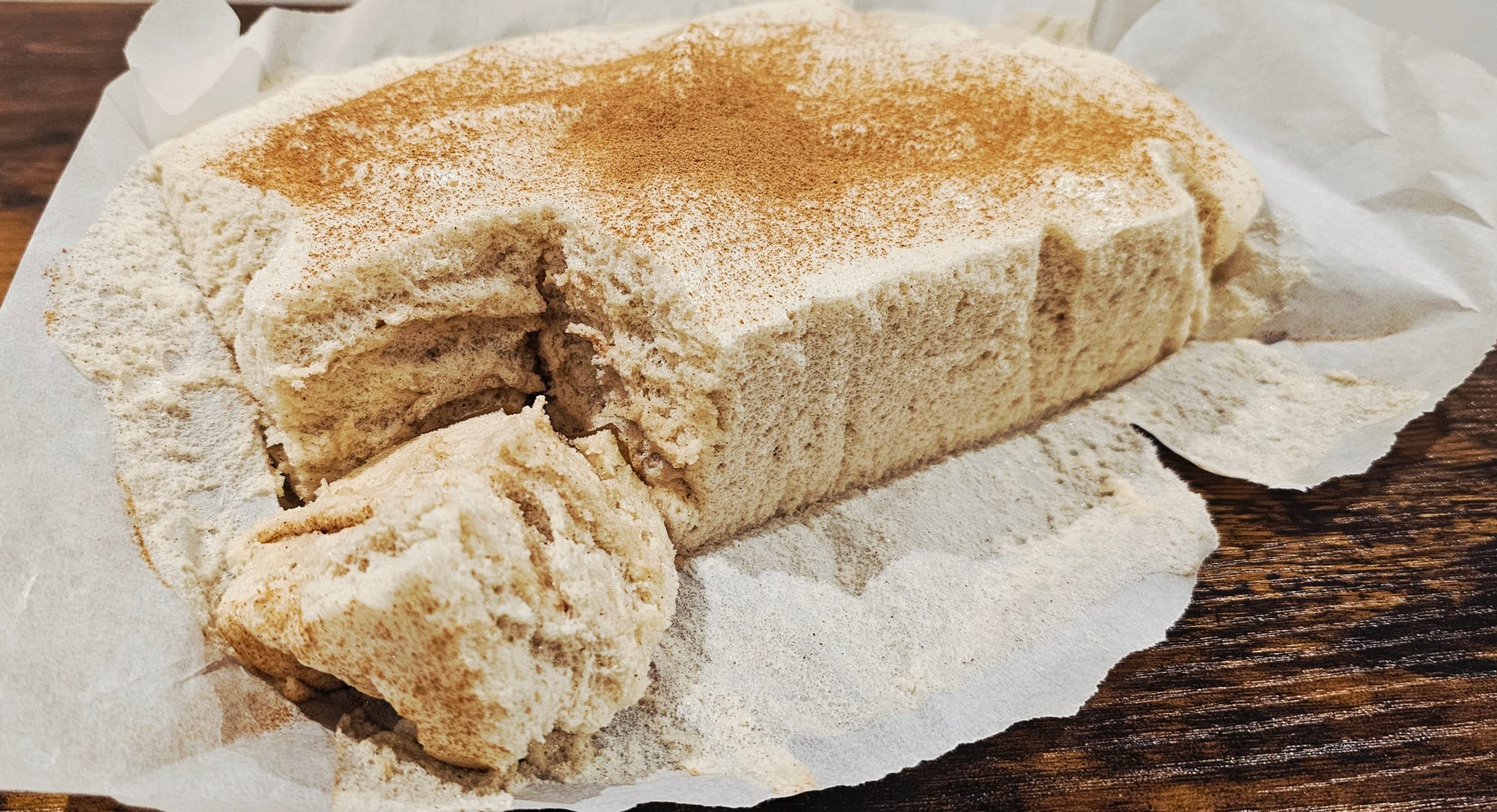
Below is my recipe for homemade marshmallows. Not only do they taste fantastic, they also support gut health. Mix up the flavours and toppings (I used cinnamon) but always use dried marshmallow root as your base. Happy whipping!
Ingredients
20g of dried marshmallow root (I buy mine from Organic Herb Trading Company)
80ml water
5 egg whites
200g maple syrup
40g powdered gelatin
1tsp vanilla extract
Cinnamon to taste
Method
- Cold infusion: Soak marshmallow root in water for at least 1 hour, preferably overnight. Strain
- Bloom gelatin: Sprinkle gelatin into the strained infusion and leave to bloom for 5 minutes.
- Whip egg whites: on a medium to high speed until firm peaks form.
- Heat syrup: Combine the maple syrup with the bloomed gelatin/infusion mix in a saucepan. Stir until gently boiling. Remove from heat immediately.
- Combine: Slowly pour the hot syrup into the egg whites whilst mixing on a medium speed. Add vanilla extract and whip on high for 10 minutes
- Set and store: Pour into a parchment-lined dish and refrigerate until firm.
Sourcing sustainability: While Althaea officinalis is not endangered, it is on the decline (Brab, 2024). Malva sylvestris or common mallow is an abundant and effective alternative (Bruton-Seal & Seal, 2008)
This recipe is intended for those who want to support their wellbeing and is not a substitute for medical treatment. If you feel you, or someone you know, is in need of support for a health condition, please contact me for a free consultation via the booking link.
For more information on Marshmallow root, its effects and sustainability, check out herbalreality for the latest news and knowledge on herbal medicine.
Studying herbalism? Click here to sign up to my student newsletter (it's free!)
References
Bone, K. (2007). The ultimate herbal compendium: A desktop guide for herbal prescribers. Phytotherapy Press.
Brab, J. (2024, October 21). The sustainability of marshmallow. Herbal Reality. https://www.herbalreality.com/herbalism/sustainability-social-welfare/species-specific-sustainability/the-sustainability-of-marshmallow/
Bruton-Seal, J., & Seal, M. (2008). Hedgerow medicine: Harvest and make your own herbal remedies. Merlin Unwin Books.
Harper, D. (n.d.). Etymology of marshmallow. Online Etymology Dictionary. https://www.etymonline.com/word/marshmallow
Hoffmann, D. (2003). Medical herbalism: The science and practice of herbal medicine. Healing Arts Press.
Hull, R. (2023). Anatomy, physiology, and pathology: A practical, illustrated guide to
the human body for students and practitioners (3rd ed.). North Atlantic Books.
Lawson. A. (1882). The modern farrier: Containing the causes, symptoms, and methods of preventing and curing the various diseases of horses, cows, and sheep. California Digital Library. https://upload.wikimedia.org/wikipedia/commons/d/d7/California_Digital_Library_%28IA_farrieroramodern00lawsrich%29.pdf
Leung AY, Foster S. Encyclopedia of Common Natural Ingredients Used in Food, Drugs, and Cosmetics, 2nd ed. New York: John Wiley & Sons, Inc.; 1996. https://naturalingredient.org/wp/wp-content/uploads/leungs-encyclopedia-of-common-natural-ingredients-3rd-edition.pdf
McIntyre, A. (2019). The complete herbal tutor: The definitive guide to the principles and practices of herbal medicine (Rev. & expanded ed.). Aeon Books.
Pengelly, A. (2021). The constituents of medicinal plants (3rd ed.). CABI.
Social media Post (intended for Instagram)
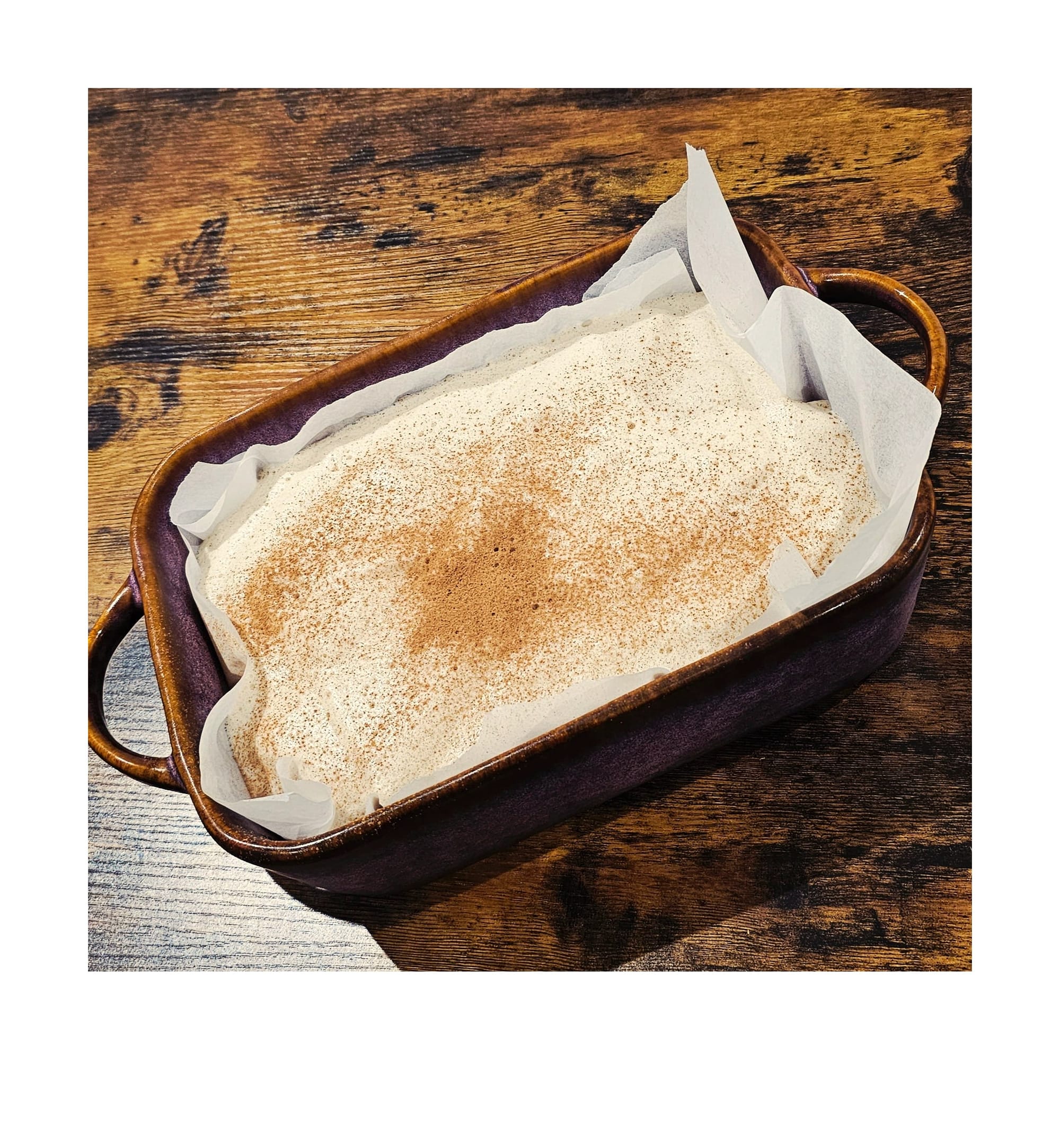
Comment below for my homemade gut-boosting marshmallow recipe. Made with real marshmallow root!
As winter approaches, colder nights deserve a comforting treat. Try a healthier more nutritious twist on a classic with these tasty Mucous Membrane Marshmallows (perfect with hot chocolate).
Looking to study herbal medicine? Check out @betonicaschoolofherbalmedicine