Introducing: Pellitory-of-the-wall
By 437555, Student Medical Herbalist
Who?
Parietaria judaica L. but to you and me, Pellitory-of-the-wall. Also known as ‘Billy Beatie’ in Ireland and ‘Wall sage’ in Warwickshire (Grigson, 1958).
P. judaica is used interchangeably with P. diffusa (or P. officinalis) in many sources; or even treated as synonyms (Rose, 2006; BSBI, 2026).
From the same family as the stinging nettle (Urticaceae) these cousins share some qualities: both are diuretic and supportive of lower urinary tract infections (UTIs) (Fisher, 2018). Plant constituents include flavonoids, phenolic acids and glucoproteins (Fisher, 2018) and it is regarded a ‘strong’ diuretic (Hoffmann, 2003).
Nice to meet you
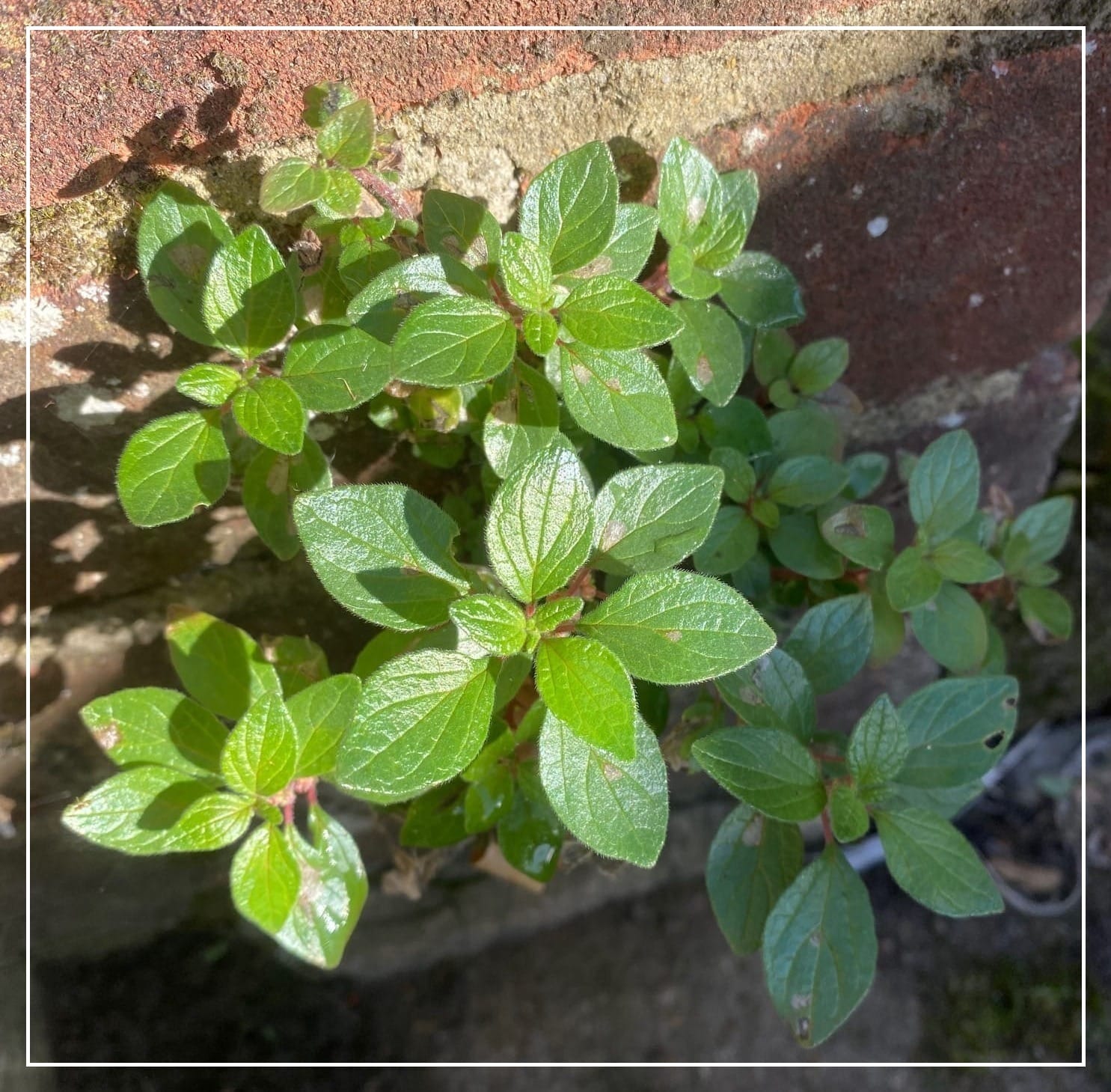
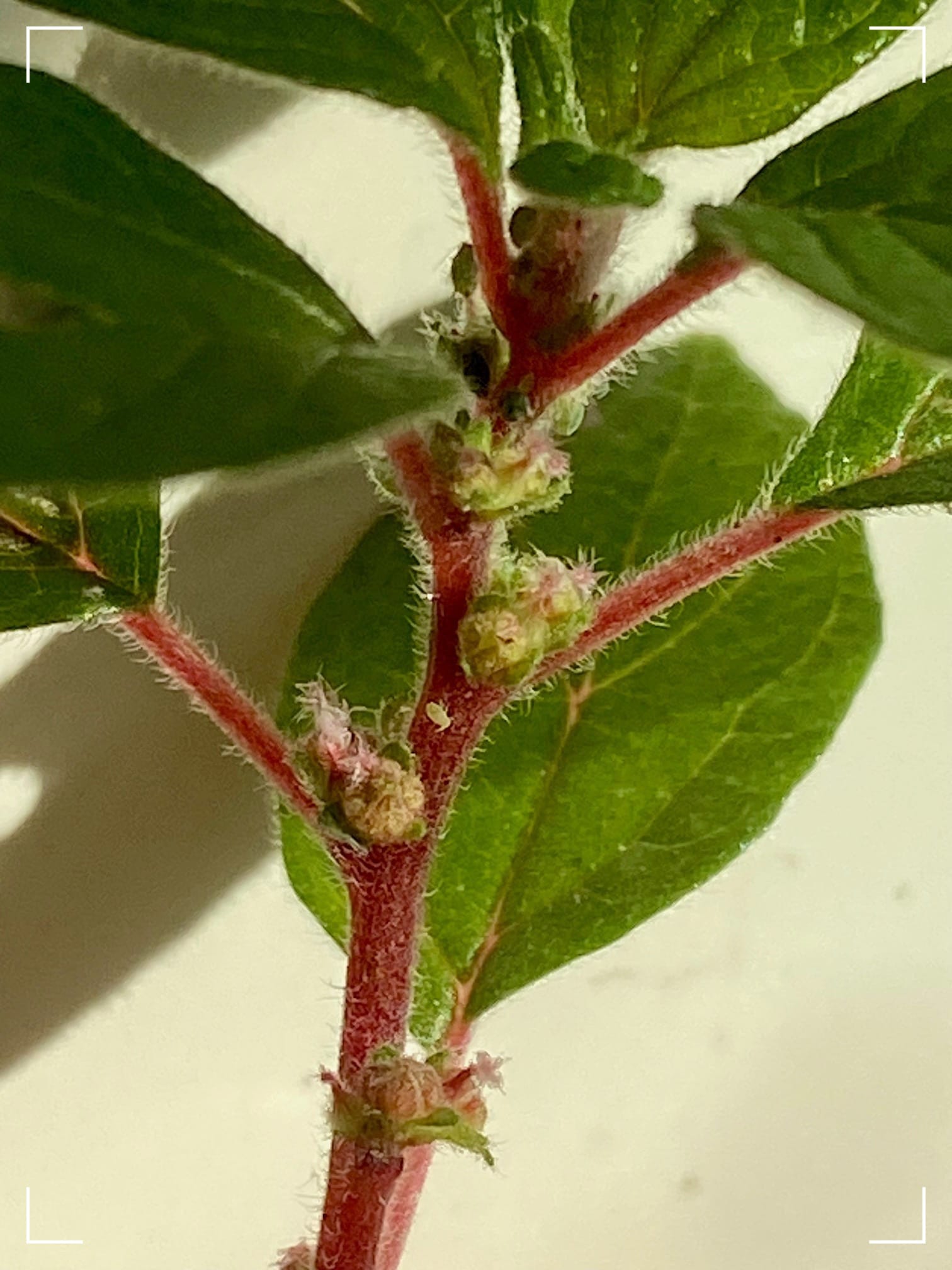
A perennial plant often found growing from walls or rocks, slightly fuzzy with a reddish stem and green, alternate leaves (Rose, 2006). The tiny flowers are easy to miss!
It is of ‘least concern’ on plant conservation red lists and found in the UK, most commonly in England (BSBI, 2026) so you can gather within usual foraging ethics. Take from clean areas and, if storing, air-dry on a muslin or rack away from sunlight until absolutely dry.
Have we met before?
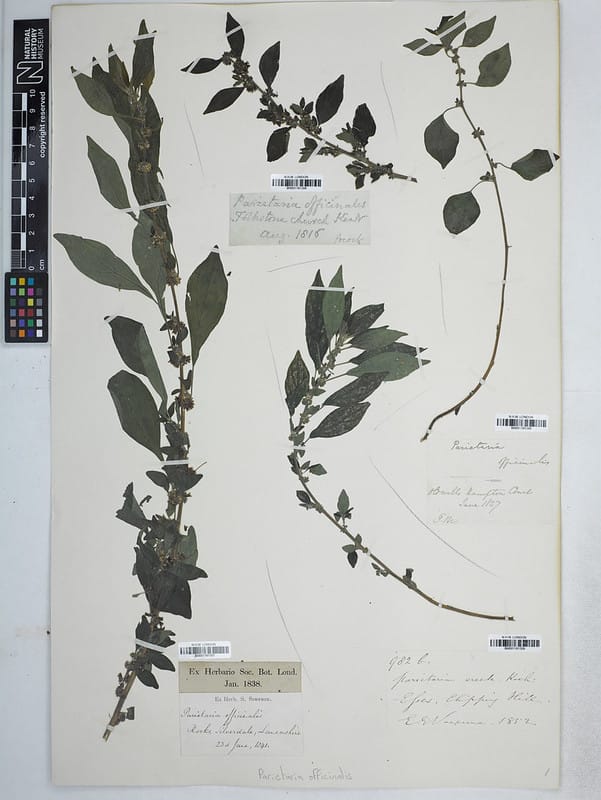
Mentioned in old herbals such as Grieve and Gerard, Parietaria has been used historically for coughs, kidney and bladder stones, urinary issues and externally on wounds (Gerard, 1633).
Its current primary use is for the urinary system: nephritis, pyelitis, renal colic, (acute conditions relating to the kidneys); reducing oedema with its diuretic qualities; prostrate issues and kidney stones (Fisher, 2018). However it has fallen out of fashion, so you may not have met before!
Can I use this at home?
Its diuretic and demulcent qualities make Parietaria beneficial for soothing urinary tract infections (UTIs). UTI most commonly refers to cystitis or urethritis (inflammation of the urethra: more common in women); but also includes infection in the kidneys which is more serious. For more on UTIs read this article on patient info.com.
Cystitis symptoms can include burning or pain when urinating; an increase in frequency or urgency to urinate; pain in your tummy or back; generally unwell or with a raised temperature (from the NHS quick guide to UTIs.)
To help, use fresh or dried Parietaria in recently boiled water to make a tea. Cover and infuse for 10-15 minutes then drink a cup, 2-3 times a day. This will additionally benefit by increasing your fluid intake!
Cystitis can be treated at home, however if it does not clear up, or if it returns frequently, do seek help.
Anything else?
Gather fresh to crush into a poultice and apply direct to burns and small wounds.
Or include in a home herbal tea blend to utilise its kidney tonic qualities (Jones, 2023). Add to several other herbs and drink occasionally to gain benefits without the medicinal dose.
A word of caution
If you suffer from allergies, respiratory allergies or hayfever this may not be for you: the pollen can aggravate respiratory allergies in particular. Gather before the flowers appear, in spring / early summer, or avoid altogether if you are strongly allergic.
Otherwise, Parietaria is safe for home use, with no known drug interactions or side effects (Hoffmann, 2003).
How do I find a herbalist?
Professional herbalist bodies like NIMH and CPP have registers of qualified herbal practitioners; while herbal student clinics like Betonica Herbal Clinic can be a more affordable option.
References
Botanical Society of Britain & Ireland (BSBI) (2026) Parietaria judaica L. (Pellitory-of-the-wall) https://bsbi.org/taxa/2cd4p9h.vq4/parietaria-judaica
Fisher, C. (2018). Materia medica of western herbs. Aeon books.
Gerrard, J. and Johnson T. (1633). The herbal or general history of plants.
Grigson, G. (1958). The Englishman’s flora. Granada Publishing.
Hoffmann, D. (2003). Medical herbalism: the science and practice of herbal medicine. Healing arts Press.
Jones, L. (2023). A working herbal dispensary: respecting herbs as individuals. Aeon Books.
Rose, F. & O’Reilly, C. (2006). The wild flower key: how to identify wild flowers trees and shrubs in Britain and Ireland. Frederick Warne.
Social Media Post
A post for Instagram
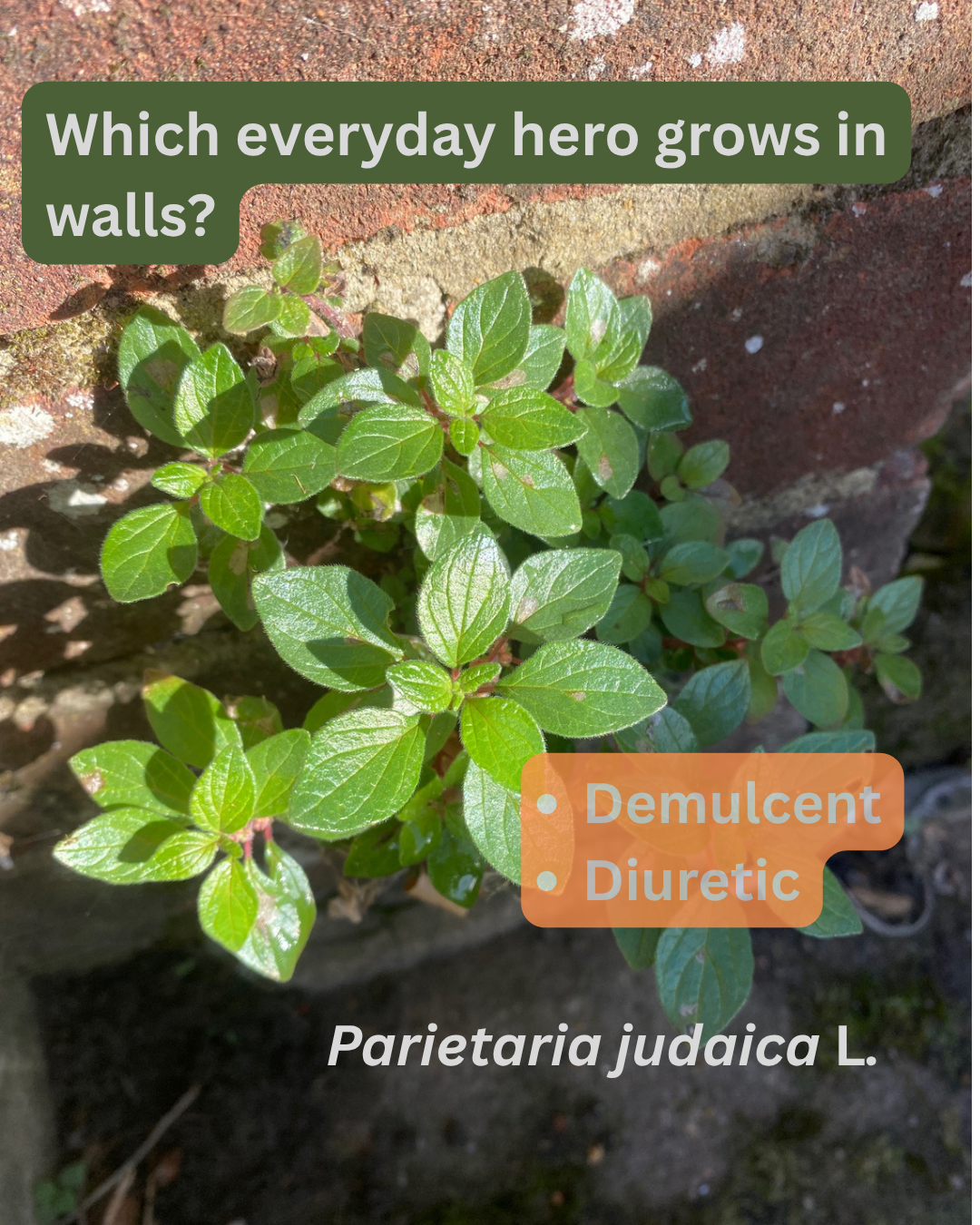
-Grows in castle or home walls, in waste land or a bus stop.
-Diuretic and demulcent: what conditions could this help? We discuss one common ailment.
Meet Pellitory-of-the-wall in our blog post: link in bio.
For more on herbal medicine follow @betonicaschoolofherbalmedicine @theherbsocietyUK
#PellitoryOfTheWall #Parietaria #HerbalMedicine #HealingWeeds