Inside the Lining: Gastritis
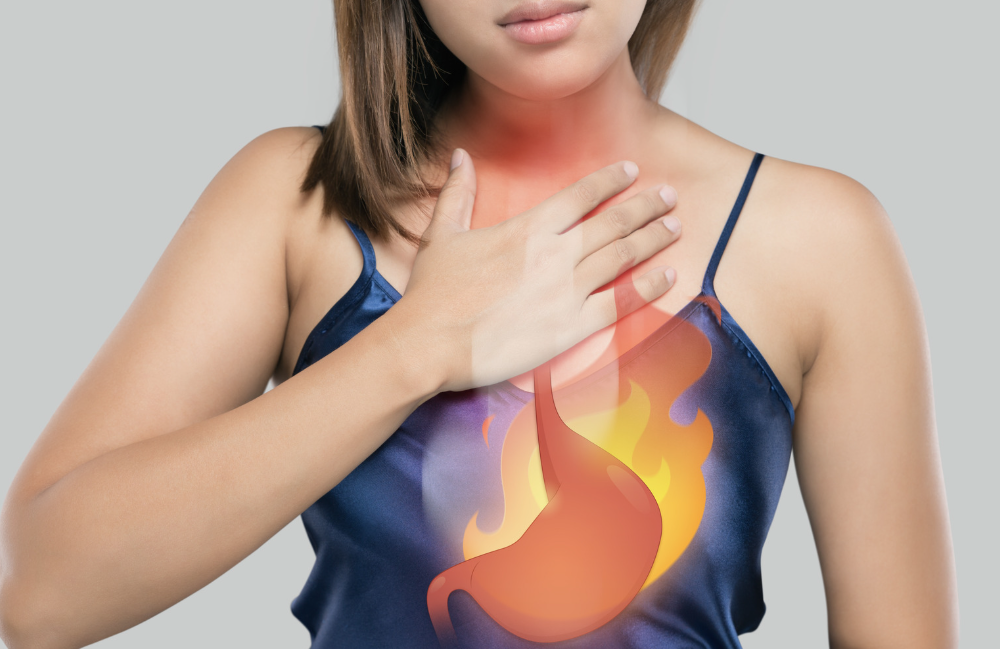
20-40% of the UK population experience indigestion (Williams et al., 2007). Gastritis is the inflammation/irritation of your stomach lining. This is usually caused by a disruption in the balance of your stomach acid and the protective mucous barrier coating your stomach lining.
Certain infections/medications such as ibuprofen, aspirin & lifestyle factors may influence.
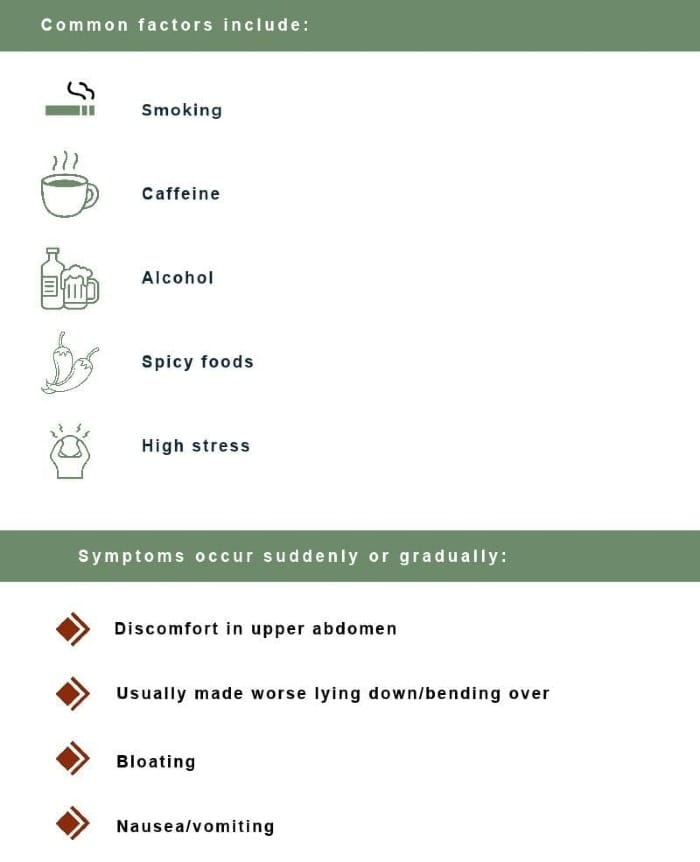
Most cases resolve spontaneously/with lifestyle and diet changes. Medicine can also be prescribed.
Persisting/ severe symptoms should be seen by a healthcare professional (Vincent, 2024).
See GP if:
Experiencing severe abdominal pain
Unexplained weight loss
Symptoms lasting > 1 week
Symptoms starting after taking any new medication
Difficulty swallowing
Seek urgent medical care if:
Vomiting (fresh/ coffee-coloured) blood, passing blood in stool (may appear tarry black)
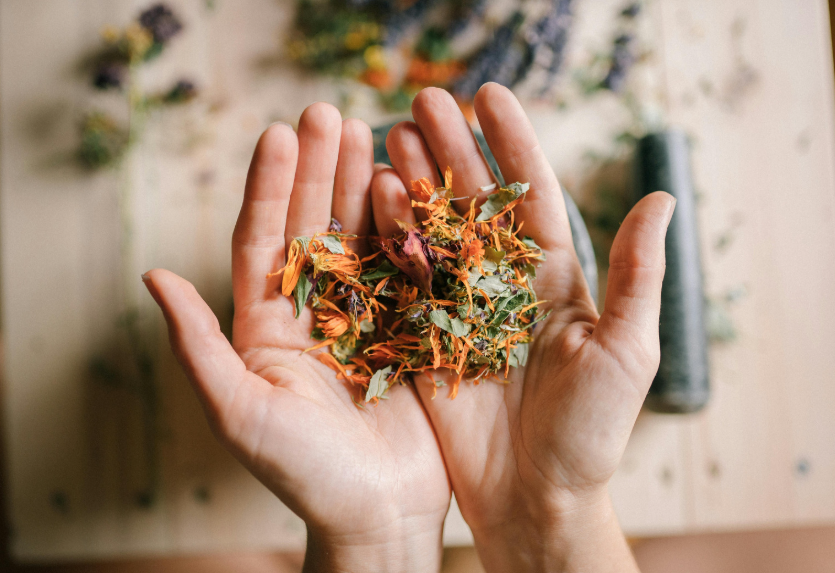
Find the right herbalist for you
Find a herbalist through NIMH- Use a professionally accredited herbalist.
- Talk to your doctor/pharmacist about new medications or herbal products you take.
- Never stop prescribed drugs without consulting your doctor first.
- See GP if symptoms persist.
Herbal Spotlight: Marshmallow
Althaea officinalis - The Ideal Demulcent
A Brief History
Also known as Common Mallow, Althaea officinalis grows natively in Europe, Asia and North Africa (Herbal Reality, 2026; Williamson, 2003). It is used as food, but in herbal medicine is also used to treat respiratory, urinary and gastrointestinal issues through its inflammation reducing properties.
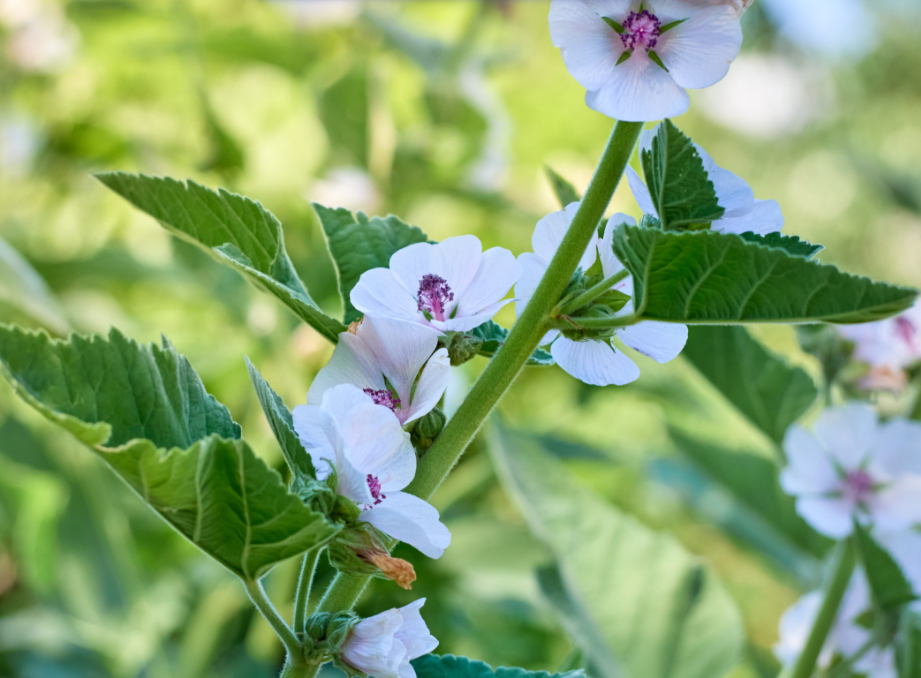
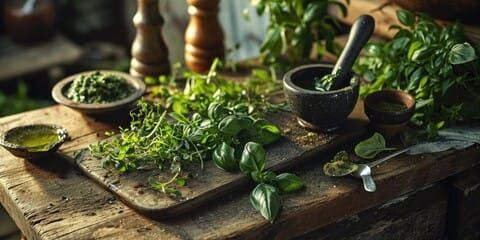
Photo of Althaea officinalis provided by Canva.com
Parts used:
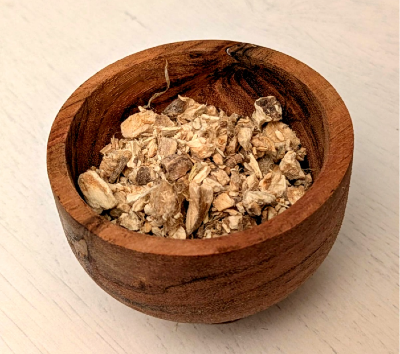
Roots, leaves and flowers may all be used. (Chown & Walker, 2017, p. 99; Williamson, 2003)
Actions:
Reduces inflammation, demulcent (Chown & Walker, 2017, p. 99; Herbal Reality, n.d.)
Indications
IBS, acid reflux, gastritis, diarrhoea, ulcers (Chown & Walker, 2017, p. 99; Herbal Reality, n.d.)
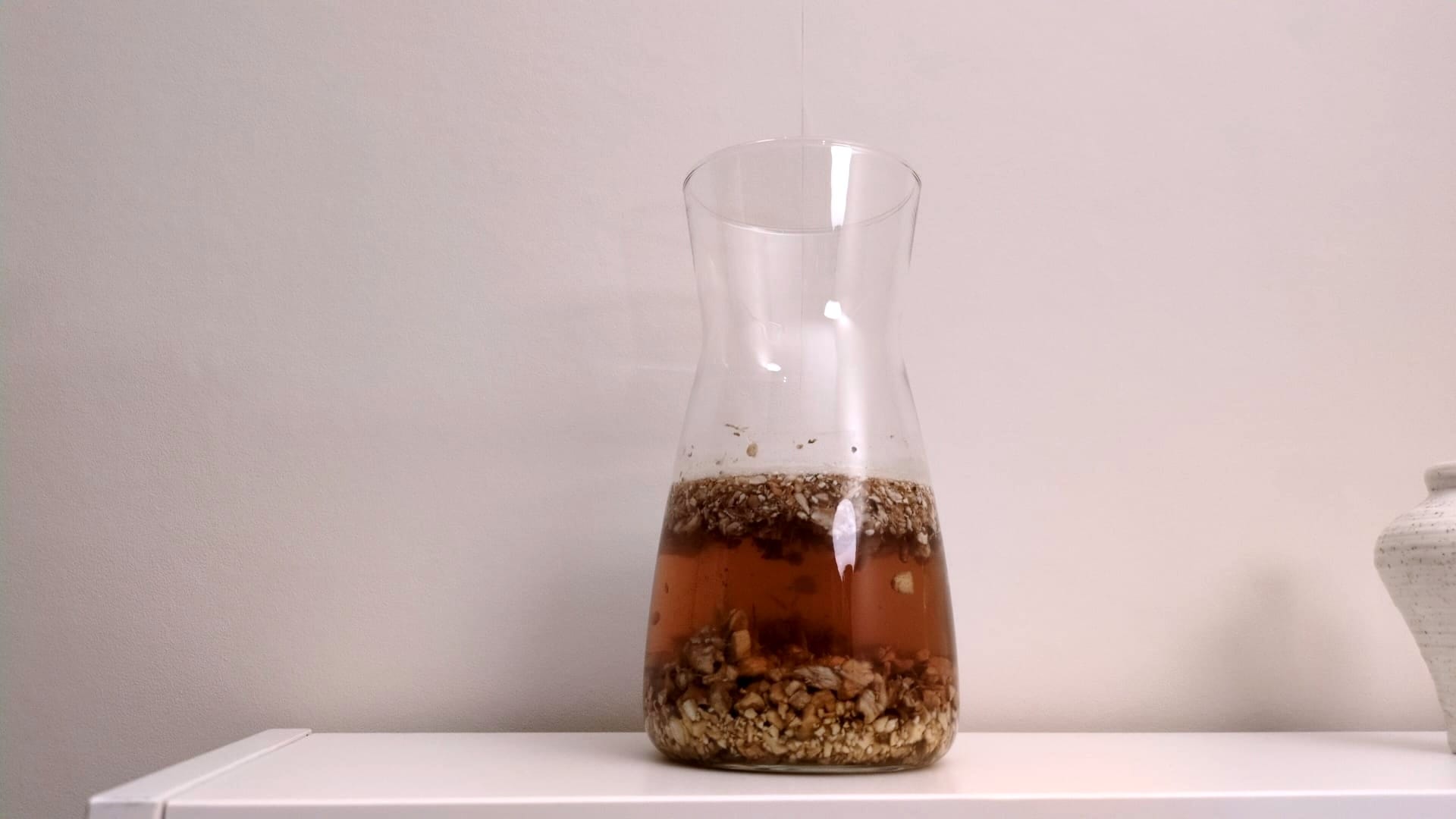
Prepare a Cold Infusion
Marshmallow Root Cold InfusionImportant Constituents
The main constituent is mucilage (made up of long-chain polysaccharides). It is mainly contained in the roots and to a lesser extent in the leaves. (Chown & Walker, 2017, p. 99; Pengelly, 2004; Williamson, 2003)
The long-chain polysaccharides are hydrophilic so are easily drawn out in high water content, working well in cold water infusions and low ABV tinctures.
Marshmallow has a cooling/sweet/bland taste and the mucilage released can be best described as a slimy coat. It is this slimy coat that (depending on use) lines the skin or GI tract to provide a protective layer, giving a soothing, cooling effect.
Mucilages help regulate gut fermentation & bacterial growth. They absorb toxins & waste, which aids in elimination from the body.
Wiliamson (2003) notes coumarins and flavonoids (widely known as “biological stress modifiers” (Pengelly, 2004)) as constituents isolated from Althaea officinalis. Polyphenolics were also found in the flowers.
Safety
Potentially affects the absorption of drugs so avoid medication up to 1 hour after ingesting.
Cautions/ Contraindications
EMA (2016) has no warnings, though children and people with allergies to the Malvaceae family please consult medical professionals.
Sustainability & Ethics
Has been gradually declining in the wild over the last few years, likely due to drainage and development in Europe. (Intergovernmental Panel on Climate Change, 2021)
Selling sources are mainly based in European countries, increasing the carbon footprint when ordering from UK. (Brab, 2024)
Keep up to date with more Herbal news:
Instagram: @betonicaschoolofherbalmedicine
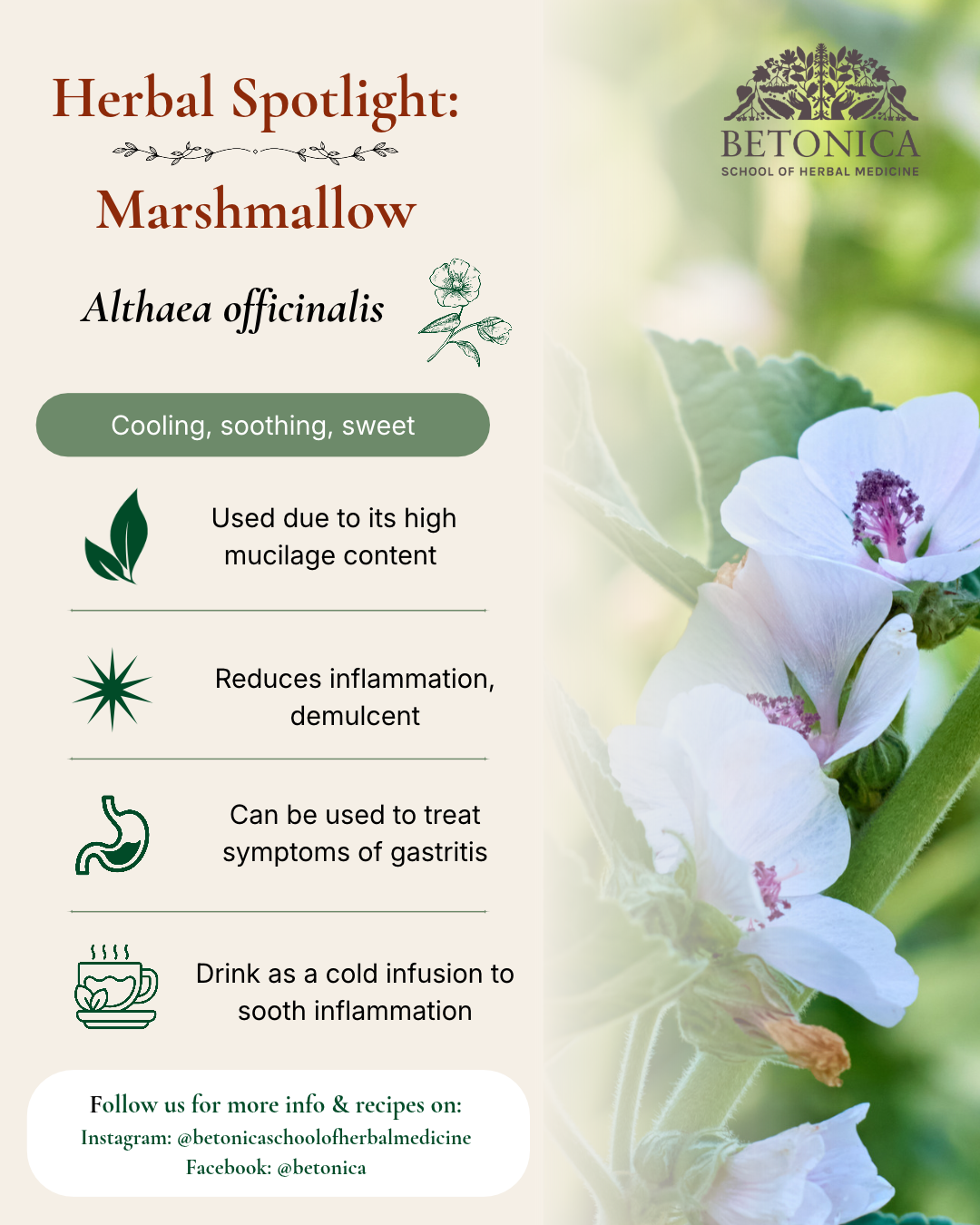
Social media Post:
References
Brab, J. (2024, October 21). The sustainability of marshmallow. Herbal Reality. https://www.herbalreality.com/herbalism/sustainability-social-welfare/species-specific-sustainability/the-sustainability-of-marshmallow/
Chown, V., & Walker, K. (2017). The handmade apothecary: Healing herbal recipes. Kyle Books.
de la Forêt, R. (n.d.). Marshmallow root. LearningHerbs. https://www.learningherbs.com/blog/marshmallow-root
European Medicines Agency. (2016, July 26). European Union herbal monograph on Althaea officinalis L., radix. https://www.ema.europa.eu/en/medicines/herbal/althaeae-radix
Herbal Reality. (2026, March 2). Marshmallow (Althaea officinalis): Benefits, safety, uses. https://www.herbalreality.com/herb/marshmallow/
Intergovernmental Panel on Climate Change. (2021). Summary for policymakers. In V. Masson-Delmotte, P. Zhai, A. Pirani, S. L. Connors, C. Péan, S. Berger, N. Caud, Y. Chen, L. Goldfarb, M. I. Gomis, M. Huang, K. Leitzell, E. Lonnoy, J. B. R. Matthews, T. K. Maycock, T. Waterfield, O. Yelekçi, R. Yu, & B. Zhou (Eds.), Climate change 2021: The physical science basis. Contribution of Working Group I to the Sixth Assessment Report of the Intergovernmental Panel on Climate Change (pp. 3–32). Cambridge University Press. https://doi.org/10.1017/9781009157896.001
Pengelly, A. (2004). The constituents of medicinal plants: An introduction to the chemistry and therapeutics of herbal medicine (2nd ed.). Allen & Unwin.
Vincent, P. (2024, November 19). Gastritis. Patient.info. https://patient.info/digestive-health/dyspepsia-indigestion/gastritis
Williams, J. G., Roberts, S. E., Ali, M. F., Cheung, W. Y., Cohen, D. R., Demery, G., Edwards, A., Greer, M., Hellier, M. D., Hutchings, H. A., Ip, B., Longo, M. F., Russell, I. T., Snooks, H. A., & Williams, J. C. (2007). Gastroenterology services in the UK: The burden of disease, and the organisation and delivery of services for gastrointestinal and liver disorders: A review of the evidence. Gut, 56(Suppl. 1), i1–i142. https://doi.org/10.1136/gut.2006.117598
Williamson, E. M. (2003). Potter’s herbal cyclopaedia: The authoritative reference work on plants with a known medical use. C. W. Daniel Company.
Images
All images are original photos or from canva.com and do not require licencing.