Beyond the plate: celery's potential in gout management.
By 269941, Herbal Medicine Student
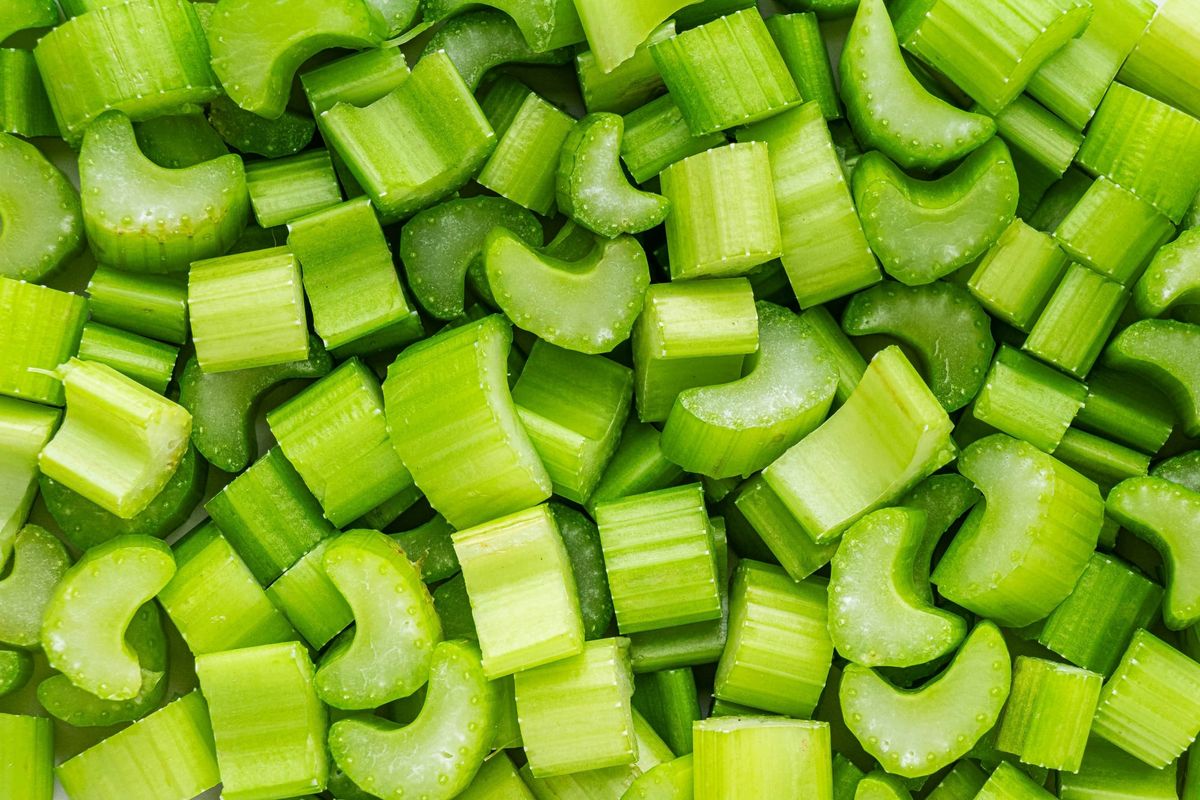
Could this crunchy, aromatic, kitchen favourite really hold the key to treating gout?
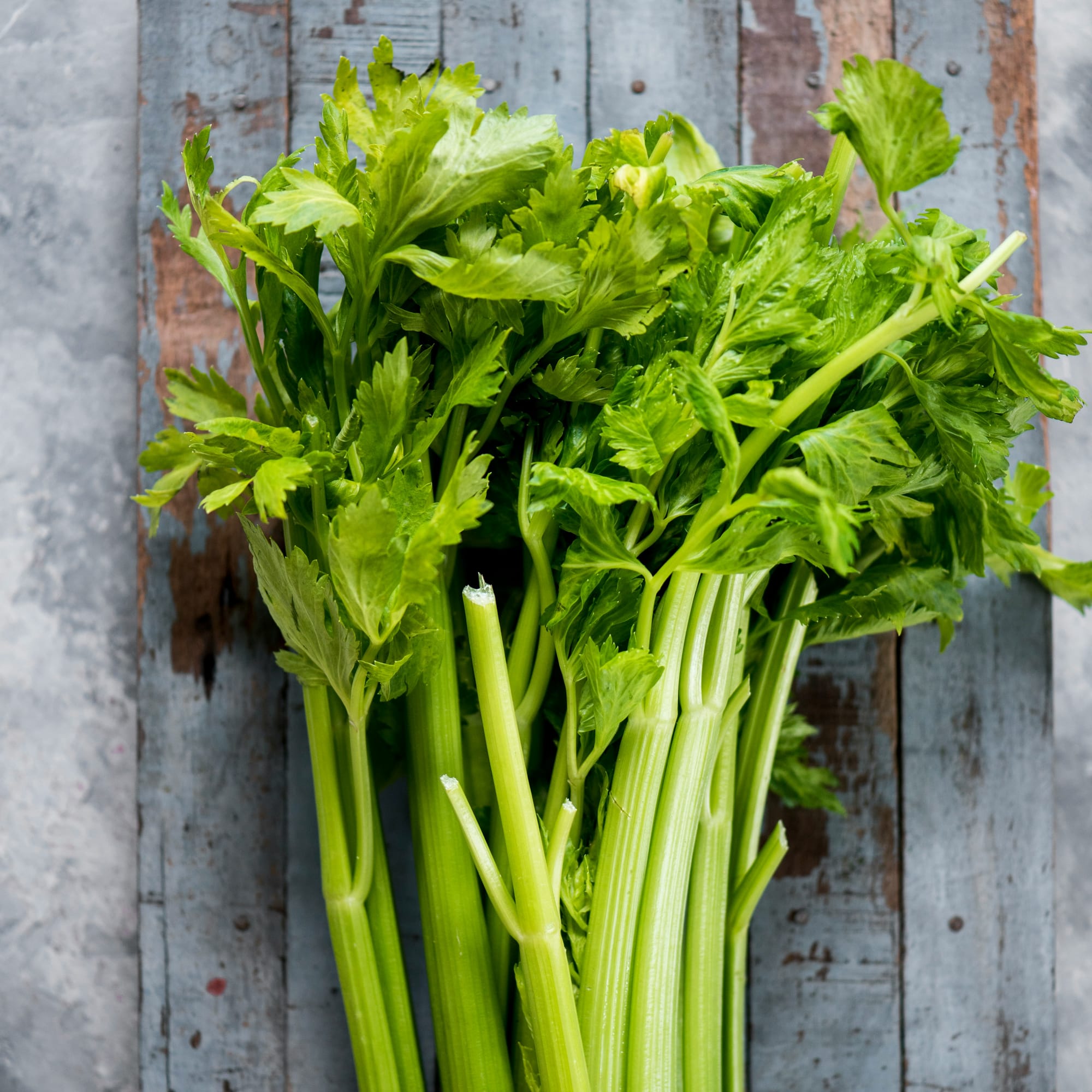
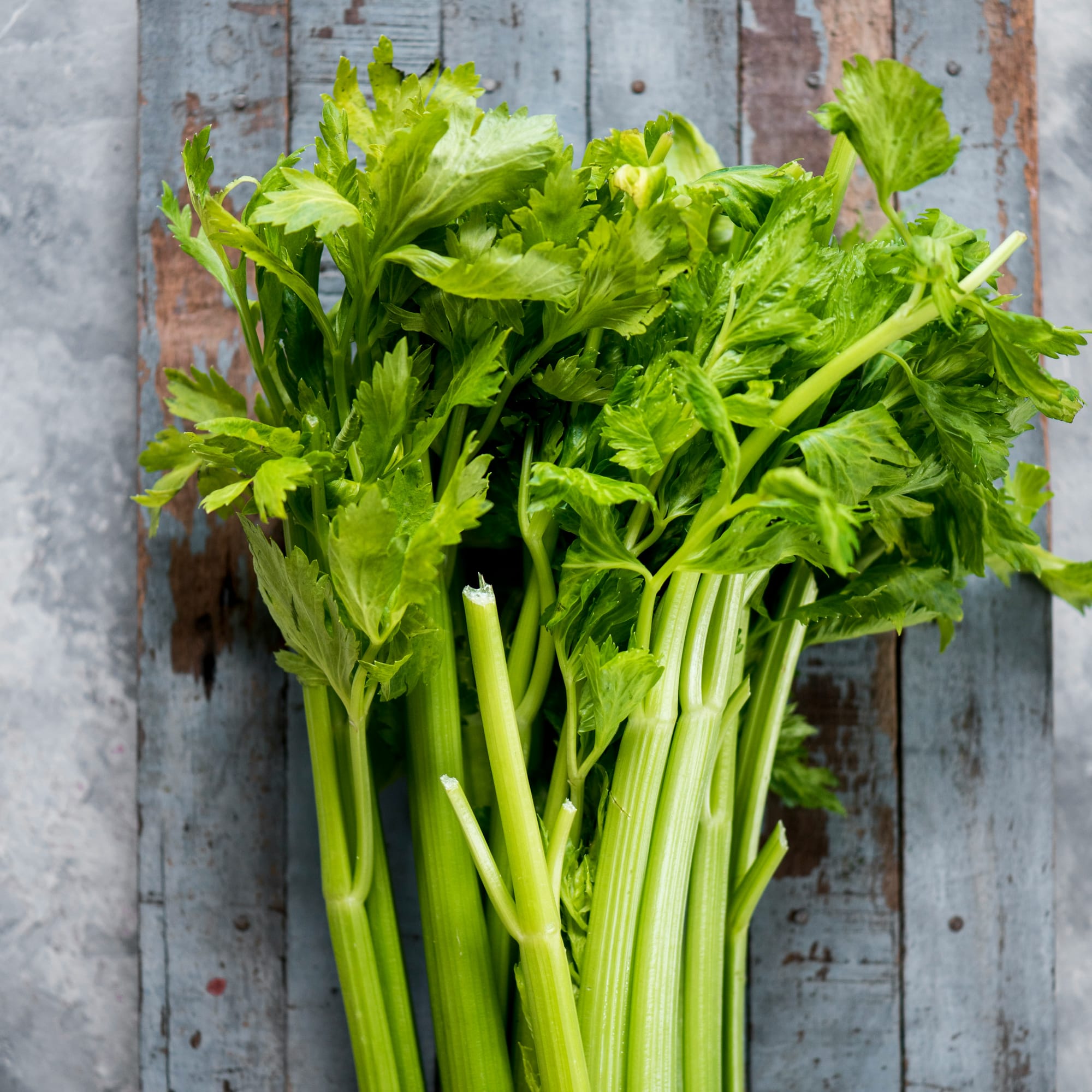
Celery (Apium graveolens L.) is native to Europe, widely available and has a long history of culinary use. Cultivated and spread by the Romans, it has a rich history of medicinal use in Western, Arabic, Chinese and Indian traditions, where it is used for a diverse range of ailments including inflammatory musculoskeletal conditions such as rheumatism, arthritis and gout (Kooti et al., 2014; Pole, 2013).
Understanding gout
Gout affects one in 40 UK adults and causes recurrent, intensely painful attacks of joint inflammation which can, over time, lead to chronic arthritis and painful skin lesions (Kuo et al., 2015). It is caused by a build-up of uric acid in the blood (known as hyperuricaemia), causing the formation of painful deposits of urate crystals in the joints and surrounding tissues. Uric acid is produced when we break down purines (key building blocks of DNA) and the enzyme xanthine oxidase (XO) is key to this process (Mohamed & Al-Okbi, 2008). Many factors contribute to hyperuricaemia including genetics, medications, metabolic and kidney disease, and purine-rich foods such as liver, game meat, seafood and beer (UK Gout Society, 2017).
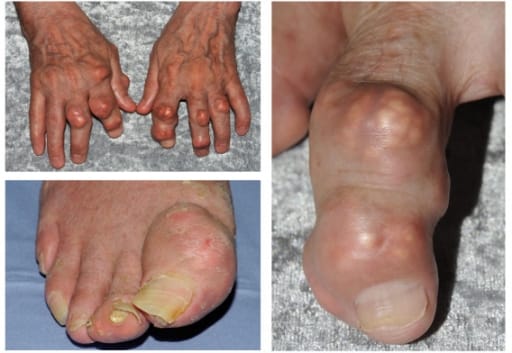
Despite the availability of effective urate-lowering medications, their use is limited by side effects, and the incidence of this disabling condition is rising(Kuo et al., 2015).
How might celery help?
Celery has a wide range of constituents that prevent and treat hyperuricaemia including, flavonoids like apigenin and luteolin (especially high levels in celery seeds), vitamins C and K, and minerals such as potassium, calcium and magnesium. These work together by:
- Reducing XO enzyme activity to limit uric acid formation
- Providing antioxidant and anti-inflammatory effects
- Supporting kidney function and uric acid elimination (Ramdani et al., 2026)
It is exciting to note that the benefits of celery do not stop there. Hyperuricaemia is a risk factor for cardiometabolic conditions such as heart attack, stroke and diabetes and, not only does celery treat hyperuricaemia, it has also been shown to reduce other important risk factors such as cholesterol levels and blood pressure (Escobedo-Gutierrez et al., 2026).
What now?
Adding celery to your diet is a sensible next step if you have been diagnosed with gout or told that you are at risk. It is generally well tolerated, though there are rare reports of allergies and photosensitivity (being more sensitive to the burning effects of the sun). Stop and seek professional advice if you have any unexpected reaction (Hoffman, 2003).
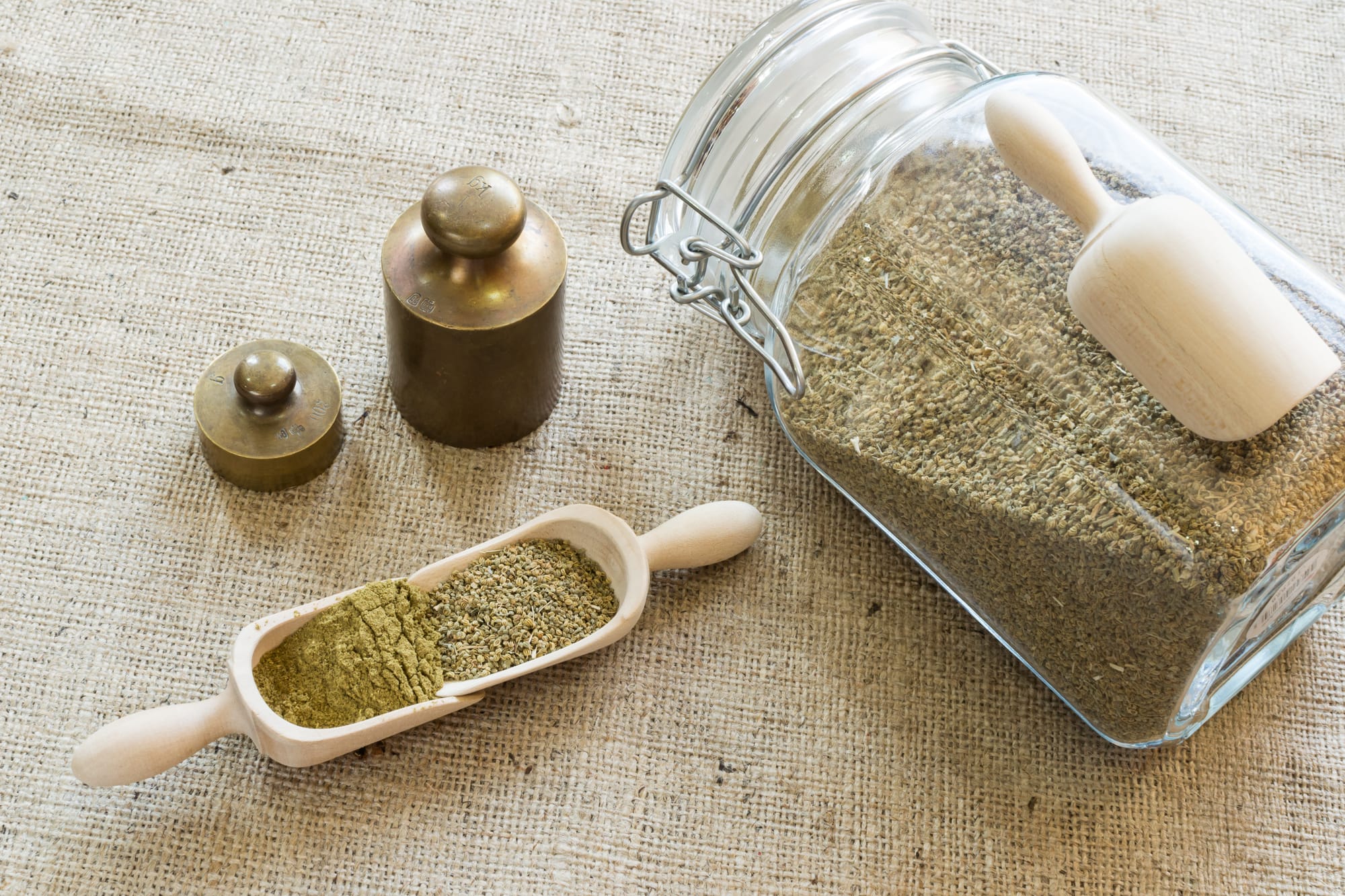
For those still struggling with gout, a medical herbalist can consider higher doses of celery seeds, and combinations with other herbs which can be particularly useful. Betonica School of Herbal Medicine, offer low-cost teaching clinics online (and face-to-face at their clinic in Somerset). You can find a booking link here.
And, if you want to know more about celery and other herbs used to treat gout, the Herbal Reality website is an excellent source of information.
 Read Amparo's articles

References
- Escobedo-Gutiérrez, M. de J. et al. (2026) “Effect of Celery Seed (Apium graveolens L.) Administration on the Components of Metabolic Syndrome, Insulin Sensitivity, and Insulin Secretion: A Clinical Trial,” Pharmaceuticals, 19(1).
- Hoffman, D. (2003) Medical herbalism. Rochester: Healing Arts Press.
- Kooti, W. et al. (2014) “A review on medicinal plant of Apium graveolens,” Advanced Herbal Medicine, 1(1), p. 4849.
- Kuo, C.F. et al. (2015) “Rising burden of gout in the UK but continuing suboptimal management: A nationwide population study,” Annals of the Rheumatic Diseases, 74(4), pp. 661–667.
- Mohamed, D.A. and Al-Okbi, S.Y. (2008) “Evaluation of anti-gout activity of some plant food extracts,” Polish Journal of Food and Nutrition Sciences, 58(3), pp. 389–395.
- Pole, S. (2013) Ayurvedic medicine: the principles of traditional practice. 2nd ed. London: Singing Dragon.
- Ramdani, D. et al. (2026) “Role of celery (Apium graveolens) in reducing uric acid and cholesterol in experimental animals: A literature review,” Open Veterinary Journal, 16(6), pp. 3861–3878.
- UK Gout Society (2017) All about gout and diet, ukgoutsociety.org. Available at: https://www.ukgoutsociety.org/PDFs/goutsociety-allaboutgoutanddiet-0917.pdf (Accessed: October 16, 2026).
Figures
- Arthritis Research Primary Care Centre (2014). Tophaceous gout [Photograph]. Wikimedia Commons. https://commons.wikimedia.org/wiki/File:Tophaceous_gout.jpg
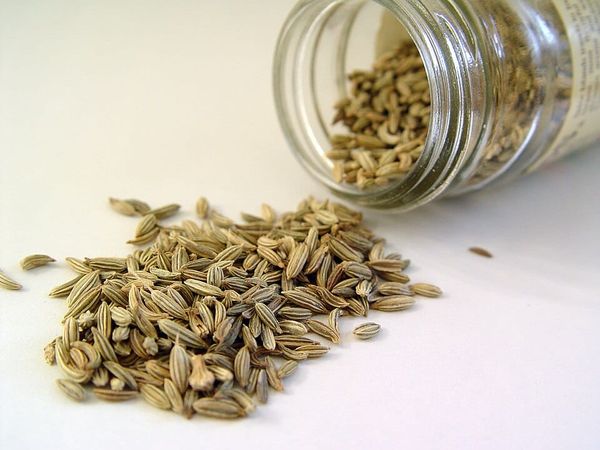
- Bogdan (n.d.). Ground celery seed [Photograph]. Adobe Stock. https://stock.adobe.com/uk/images/ground-celery-seed/240184848
- Creative Lifestyle (2024). Aerial view of fresh celery on wooden background [Photograph]. Unsplash. https://unsplash.com/photos/aerial-view-of-fresh-celery-on-wooden-background-sP8jBZftNHM
- Sicard, M. (2023). A pile of sliced up celery sitting on top of a table [Photograph]. Unsplash. https://unsplash.com/photos/a-pile-of-sliced-up-celery-sitting-on-top-of-a-table-yiCA_W8KNnk
My Social Media Post
Post for Instagram
Could this crunchy kitchen staple hold the key to treating gout? The evidence is promising that it can. Check out my blog post to find out more.
#Celery #Gout #HerbalMedicine
@betonicaschoolofherbalmedicine
@herbal.reality